
Senior living can genuinely provide more practical independence than living alone by removing the household burdens, safety fears, transportation limitations, and isolation that progressively restrict what older adults living alone can comfortably do. The paradox is real: the support structures in community living free residents to use their energy and time for activities they choose rather than obligations they must manage.
Senior living and independence are closely interconnected. It means doing what matters to you, and community living often makes more of that possible than struggling alone at home does. The question isn’t whether you need help. It’s whether the help you get expands or shrinks your actual daily life.
How Household Burden Limits Real Independence
The Time and Energy Home Management Consumes
The older adult managing a home alone spends significant time and physical energy on grocery shopping, cooking, cleaning, laundry, yard work, home maintenance, and the endless small tasks that property ownership demands.
This burden consumes the hours and energy that could otherwise go toward social activities, hobbies, travel, and the pursuits that retirement was supposed to make possible. The home that represents independence often functions as a constraint on the very freedom it symbolizes.
What Happens When the Burden Exceeds Capacity
The gap between a home’s maintenance demands and an older adult’s capacity to meet those demands widens gradually but steadily with age. The response is usually reduction rather than relocation, with older adults progressively shrinking their world to what they can manage rather than addressing the growing mismatch.
This shrinking world represents a loss of independence that happens invisibly because it occurs through inaction rather than any single dramatic change.
Safety Fear as an Independence Limiter
How Fall Risk Restricts Daily Life
The older adult with legitimate concerns about falling often stops doing things they could still manage physically because the risk of doing them alone without immediate help available feels unacceptable.
Climbing ladders, walking on uneven terrain, taking baths instead of showers, and driving at night all become restricted through reasonable caution rather than physical inability. The safety-related self-restriction that living alone creates represents genuine lost independence that appropriate support would restore.
The Freedom That Safety Infrastructure Provides
The emergency response systems, staff availability, accessible building design, and immediate help that community settings provide paradoxically allow residents to attempt activities with confidence that they would avoid at home due to safety concerns.
The older adult who would not take a bath alone at home can do so comfortably knowing help is immediately available. This safety net creates practical freedom rather than restricting it.
Transportation and the World Outside
When Driving Becomes Impossible
The older adult who can no longer drive safely loses access to the entire world beyond walking distance, creating a form of imprisonment that home ownership cannot prevent. The independence that home ownership theoretically represents becomes meaningless when getting to a doctor’s appointment, a social event, a restaurant, or a grocery store requires depending on family or paying for rides that may not be reliably available. This transportation dependency restricts daily life more severely than community living typically does.
How Community Transportation Restores Access
Community living settings that provide scheduled transportation to medical appointments, shopping, and social events restore access to the world outside community walls for residents who no longer drive.
This restored access represents genuine independence that isolated home living without transportation cannot provide. The community resident without a car often accesses more of the world than the isolated home dweller dependent on inconsistent family transportation.
Social Freedom Within Community Life
Choosing Your Own Social Life
The common misconception that community living forces social participation doesn’t reflect how good communities actually operate. Residents choose which activities to attend, how much time to spend in common areas, whether to eat alone or with others, and how much solitude they maintain.
The social opportunities exist without obligation, providing the option of connection without the burden of forced participation. This combination of available company and respected privacy represents genuine social freedom.
The Energy That Social Support Releases
The loneliness and social isolation of aging at home consume emotional energy through depression and anxiety that community living’s social environment prevents. Residents who feel genuinely connected to a community of peers have more emotional energy available for personal pursuits, family relationships, and daily engagement.
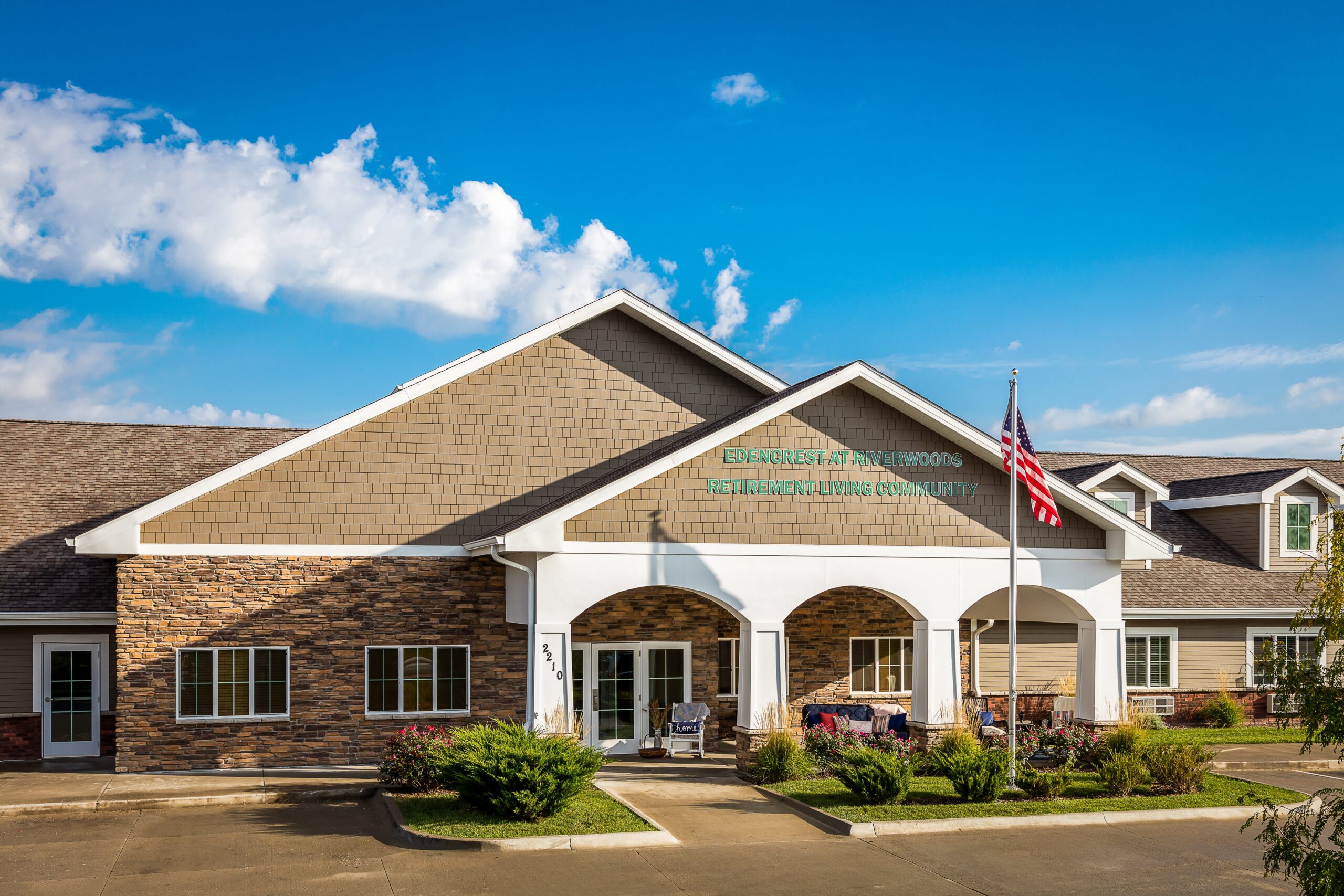
Communities like Riverwood Senior Living understand that genuine senior living independence means the freedom to live fully and that community support often creates more of that freedom than isolated home management sustains over time.